The Rise of the AI Prompt Engineer: How to Build a Scalable B2B Side Hustle From Home
Discover how the explosion of corporate AI integration has created a high-paying, low-competition digital side hustle. Learn how to engineer structured B2B prompts, automate repetitive business workflows, and productize your technical skills into scalable, high-yielding streams of passive income from home.
Affiliate Disclosure: Some of the links in this article are affiliate links. This means that if you click a link and make a purchase, I may earn a small commission at no additional cost to you. I only recommend products and resources that I believe may be useful to our readers. As an Amazon Associate, I earn from qualifying purchases.
The digital landscape is undergoing a permanent shift. As artificial intelligence models like ChatGPT and Claude become deeply integrated into corporate workflows, businesses face a new bottleneck: they have powerful tools, but their staff doesn’t know how to write the highly specific prompts required to get reliable, professional results.
This operational gap has created a growing opportunity for professionals who want to turn AI skills into a practical digital service. B2B Prompt Engineering and Workflow Automation can help businesses improve repetitive processes, streamline communication, and get more value from AI. If you’re interested in developing stronger prompt-engineering skills, this Prompt Engineering Foundations: Communication & Development book is a useful resource to explore as you build your foundation.
Unlike saturated freelancing gigs like basic blog writing, specialized prompt building allows you to command premium rates by helping small businesses automate their repetitive marketing, customer support, and administrative tasks.
This comprehensive guide breaks down how to build, package, and monetize your AI expertise as a sustainable online side income.
1. What is B2B Prompt Engineering?
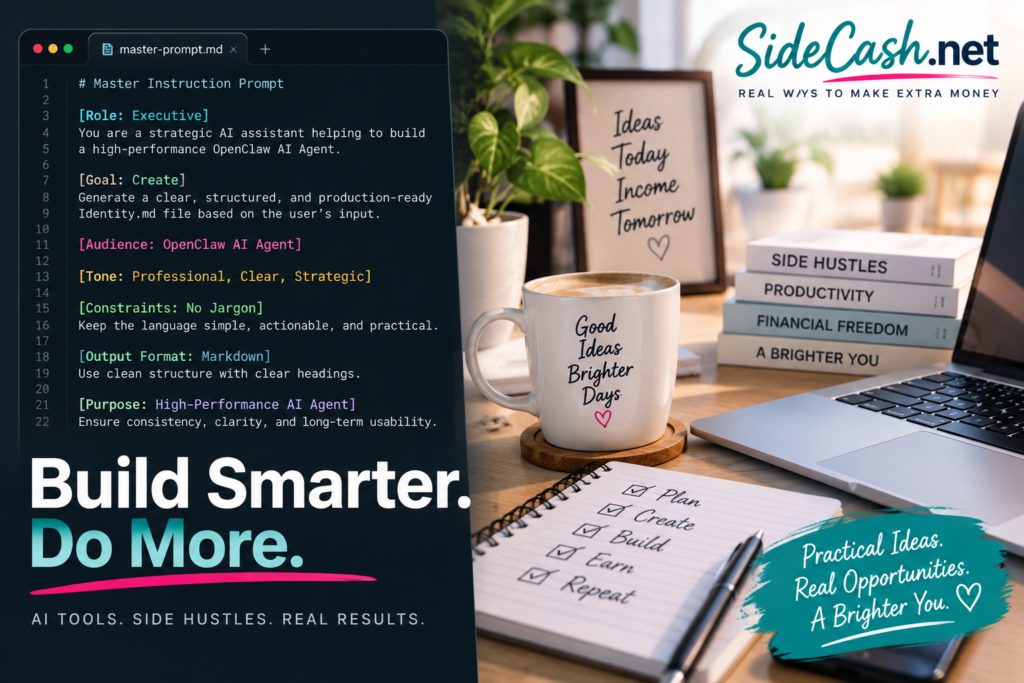
At its core, prompt engineering isn’t just about “talking to an AI.” It is the art of structuring precise inputs—defining context, constraints, data schemas, and output formats—so that an AI model executes a business task perfectly every single time.
While general users ask an AI to “write a marketing email,” a professional prompt engineer builds structured, repeatable markdown frameworks:
- Role Definition: Instructing the LLM to act as a seasoned customer acquisition strategist.
- Constraint Boundaries: Setting hard limits on tone, character counts, and forbidden industry jargon.
- Few-Shot Examples: Feeding the model high-converting historical data samples so it mirrors a specific brand voice accurately.
By creating these complex, multi-layered prompt templates, you create a digital asset that small businesses are willing to pay for because it saves their team hundreds of hours of manual experimentation.
2. Identifying High-Value Niches for Automation
To maximize your earning potential, avoid general consumer markets and focus entirely on business-to-business (B2B) operational bottlenecks. Look for industries that spend significant money on manual data entry or repetitive content creation:
[Identify Business Process] ──► [Design Structured AI Prompt] ──► [Deliver Automated Solution]
         │
         ├──► Real Estate: Automated Property Description Engines
         ├──► E-Commerce: Dynamic Customer Review Reply Frameworks
         └──► Local Services: Automated Email Intake & Filtering Systems
- Real Estate Listings: Agencies struggle to write unique, engaging property descriptions for dozens of new homes weekly. You can build a custom prompt system that turns raw bullet points (square footage, layout, key features) into compelling, neighborhood-specific marketing copy instantly.
- E-Commerce Review Management: Building prompt frameworks that analyze customer reviews, isolate complaints, and draft polite, brand-aligned responses ready for human approval.
Local Service Email Triaging: Helping local businesses (plumbers, roofers, contractors) automatically sort incoming quote requests, categorize urgency levels, and draft initial follow-up appointment templates.
3. Packaging and Selling Your Prompts
To turn this skill into a scalable asset, you should move away from charging purely by the hour. Instead, focus on productizing your knowledge into high-value bundles:
Direct Prompt Marketplaces
Platforms like PromptBase allow you to list your fully tested, high-performing prompts for specific models. Buyers pay to unlock the exact phrasing and variables you engineered, creating a highly scalable passive income stream.
Custom Business Consulting
Target local small businesses or boutique marketing agencies. Offer to review their current manual processes and construct a bespoke “AI Prompt Playbook” tailored to their daily routines. A single playbook can easily be priced as a premium mid-tier package rather than a cheap freelance gig.
Micro-SaaS Tooling
For a more advanced strategy, you can use no-code platforms (like Bubble or Softr) to wrap your engineered prompts in a simple, user-friendly web interface. Businesses pay a monthly subscription fee to use your tool without ever seeing the complex backend prompt mechanics.
4. Structuring for Long-Term Growth
The key to preventing burnout while managing a digital side hustle is creating a continuous growth loop. Dedicate a few hours each week to testing new software updates, tracking evolving AI model updates, and refining your existing prompt templates.
By building a specialized, high-leverage portfolio of automation assets, you protect your personal time while providing immense, measurable value to your clients—ensuring your side venture remains highly profitable for years to come.